What the standard asks of your chimney, item by item
Send your failed items
List the findings from your report and the address. We reply with which ones we can fix and how.
Starting from the standard
NFPA 211 is the document most chimney reports lean on, and California's building and residential codes carry many of the same rules. A report that says your chimney is not up to code usually points at one of four areas. We take them in the order a fire meets them, from the room outward.
- Clearances: how close wood framing, trim and the mantel sit to the heat
- Liners: whether the flue has an intact lining sized for what burns below
- Caps: whether the top is covered against rain, animals and debris
- Spark arrestors: whether a mesh stops embers leaving the top
Clearances and liners
Combustibles too close to a firebox can char slowly over years before they catch. For a family, the risk is a fire inside a wall nobody can see. Fixes range from moving or replacing trim to reworking a hearth that is too short to catch a rolling log. We measure, show you the gap on a photo and write out the fix.
A liner keeps heat and fumes inside the flue and away from the house. Cracked clay tiles, missing mortar between them or a metal pipe that is the wrong size for a new gas appliance all fail. The fix may be repairing sections or fitting a new stainless liner; we decide after the camera has seen the whole run.
Caps and spark arrestors
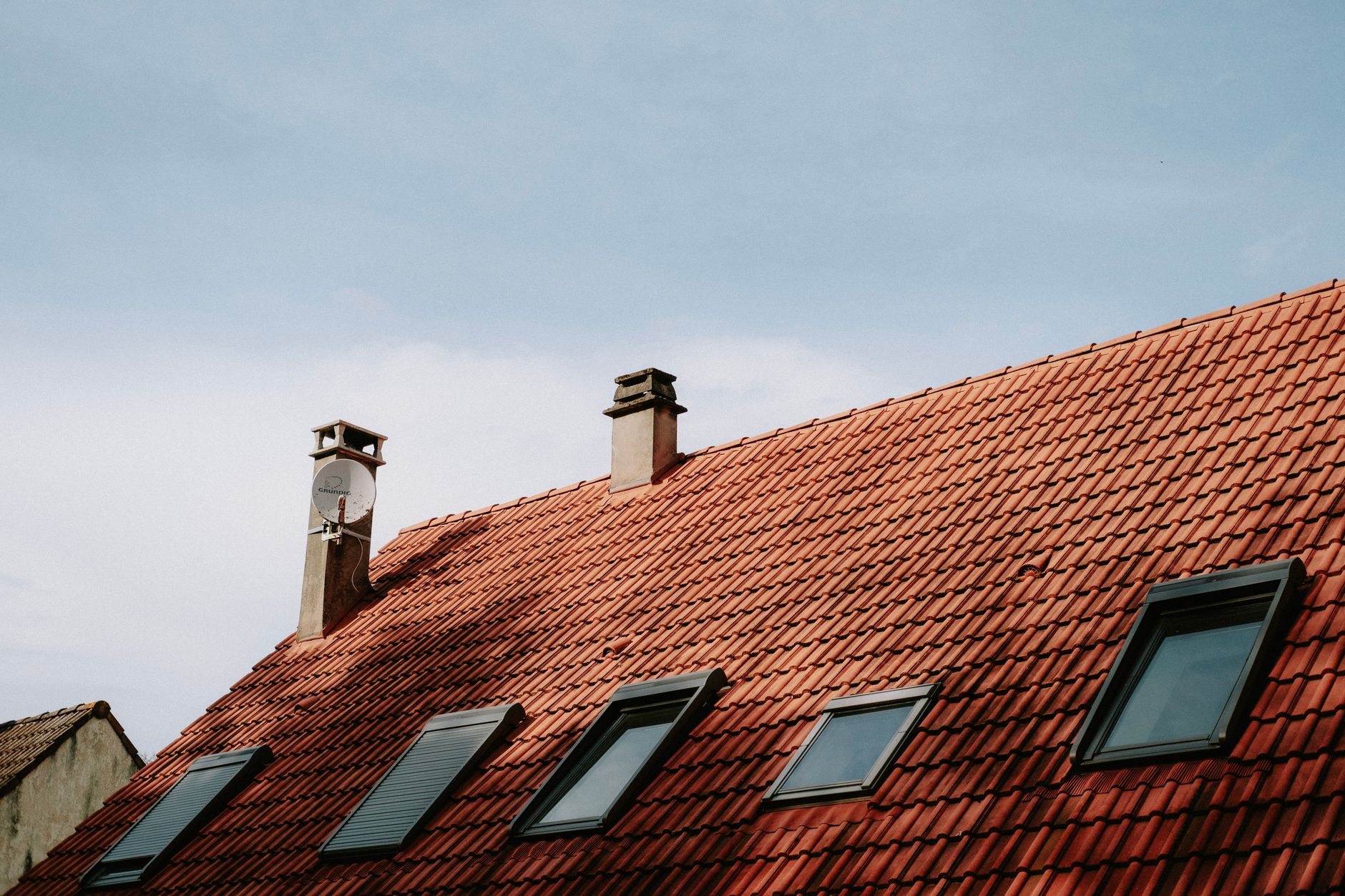
An open top lets in rain that rusts the damper and a bird or raccoon that blocks the flue, which is how smoke and carbon monoxide end up in a bedroom. A cap with a spark-arresting mesh closes that gap and stops embers drifting onto a dry roof during the Santa Ana season. Of all the code items it is the simplest, and it is on our published price list.
Water and the roof line
Code reports often add water findings: leaks at the roof line, flashing that has pulled away, a wide chimney with no diverter behind it. Water weakens brick and mortar and rots the framing that holds the chimney to the house. We trace the source first, then fix it, with our price ranges shown below where we have them.
Prices for the usual code fixes
These figures come from our price list; the cap, last, is quoted after we measure. Fixes not shown here, such as crowns, liners, dampers, chase covers and standalone flashing, are priced on a written sheet once we have measured them.
- Leak traced to its source and sealed
- $525 to $3,150
- Diverter built on the uphill side
- $420 to $945
- Diverter plus new metal at the roof joint
- $630 to $1,600
- Sealed gas heater fitted into your firebox
- $2,650 to $5,250
- Camera check to confirm the work
- $370
- Top cover with spark mesh, fitted
- Quoted after we measure
Code repair questions
Does every item on a failed report need fixing before we light a fire?
No. Items that put people at risk, such as a blocked flue, a cracked liner or combustibles too close to heat, come first. Others can be planned. We say which is which in writing.
My house is old. Does the current code still apply?
Existing chimneys are not rebuilt to every new rule, but repairs and changes, such as a new appliance, are expected to meet the rules in force today.
Can you fix items another company found?
Yes. Pass the report to us via the contact page, and a technician checks each item at your house before any figure is given.
Do I need a spark arrestor on a wood-burning chimney?
Rules vary by city and fire zone, so we check what applies at your address. Close to the foothills above San Dimas it is one of the plainest ways to protect a roof, and our caps carry the mesh.
Will I have proof the work was done?
Each repair is photographed when it is finished. If you need more, a Level 2 camera visit afterwards documents the flue as well.
Turn a failed report into a repair plan
Send the findings and the address through the contact page. We reply with what we can fix, our prices where they are published, and a written figure for the rest.
Call (909) 366-3340