Why our price list has no single repair figure
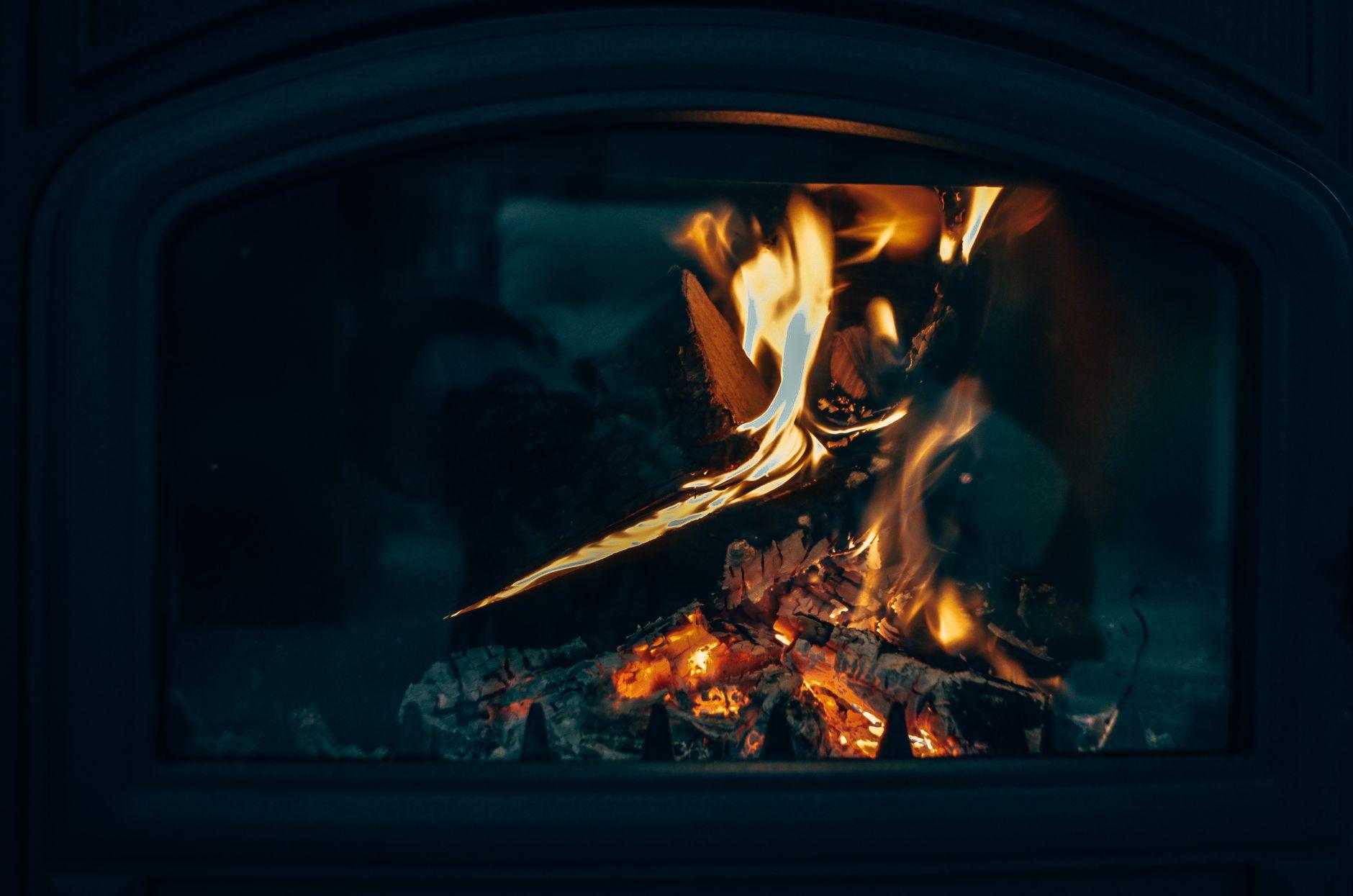
Families in San Dimas often ask for a flat fee to fix a gas fireplace. We do not print one, and the reason is simple: the fault decides the job. A dusty pilot hood takes a few minutes. A cracked glass front means ordering a panel made for that model. A valve that sticks may need a part the maker stopped making years ago. One number cannot cover all three honestly.
What we do instead is find the fault first and put the repair figure in writing before any part is ordered. You approve it, or you do not. Nothing is fitted on a guess.
The faults we see most in family homes
Gas fireplaces are popular with parents because there is no ash, no sparks and no wood to carry. They still fail, and some of the failures matter more when children or older relatives live in the house.
- Pilot lights, then dies. The small safety sensor that sits in the pilot flame wears out, or lint and pet hair clog the pilot hood. The unit is doing its job by shutting off; it just needs the sensor or the hood sorted.
- Tall, orange, sooty flames. Logs knocked out of place during cleaning, blocked burner ports or a poorly set air mix. Soot on the glass is the visible sign. The less visible one can be higher carbon monoxide in the room.
- Cracked or loose glass. A sealed front keeps combustion gases out of the room. Once it cracks or the gasket around it gives way, the unit should stay off until the panel is replaced.
- Remote or wall switch failing. Dead receiver batteries, a loose wire or a worn switch. Not dangerous on its own, but a remote that stops responding is often left in a drawer a child can open.
- No safety barrier over the glass. The glass front can get hot enough to burn skin in a second. Newer models ship with a mesh screen in front of it; many older units in the San Gabriel Valley were sold without one, and a barrier can often be added.
- A gas smell when the unit is off. This one is never a wait-and-see item.
What moves the repair price
The figure we put in writing depends on a handful of things we can only judge in front of the unit:
- The part. A sensor, a burner, a glass panel, a valve and a control board sit at very different prices.
- The maker and age. Parts for current models are easy to get. Parts for units from the 1990s can be scarce, and some are gone.
- Access. Built-in units behind a stone surround take longer to reach than a freestanding stove or an insert with a removable front.
- The vent. If the vent run has come apart or a cap is missing outside, it is added to the job so the repaired unit vents properly.
- Trips. If we have to order a part, the repair is two visits instead of one.
When you are ready for us to look, book a repair visit here. In the message, note the brand plate if you can read it (it is usually behind the lower grille) and say what the unit does when you switch it on. That helps us bring the likely parts on the first trip.
While it is broken: keeping the household safe
A gas fireplace waiting for repair is mostly a matter of keeping it off and keeping little ones away from it.
- Turn the gas supply to the fireplace off at its shut-off valve or key. If you are not sure where it is, we show you on the visit and mark it on the report.
- Put the remote somewhere high. Children love buttons.
- Leave the glass alone for at least an hour after the unit was last on.
- Keep a carbon monoxide alarm on the same floor. If it sounds, everyone, pets included, goes outside before anyone tries to work out why.
- If the room smells of gas, do not flip switches or touch the fireplace controls. Take the family out to the street and ring the gas company from there. We can help with the fireplace once the gas company has cleared the house.
What the written repair figure includes
The repair sheet lists the fault in plain words, the part, the labour and anything extra such as a vent fix or a barrier screen. After the work we run the burner with you, look at how the flame sits on the logs, and test the air at the front of the unit for carbon monoxide before we leave. If the house has no alarm near the bedrooms, we say so on the sheet.
If you would like the whole system looked at first, a Level 1 inspection is $52 and takes in the fireplace and the parts of the vent we can reach. The gas fireplace repair page lists what we work on, and gas fireplace cleaning covers the yearly service that heads off many of these faults.
Repair or replace
Some units are not worth saving. When parts are no longer made, when the firebox has rusted through, or when several faults stack up on an old model, we tell you plainly. A gas insert built to slide into the masonry opening you already have runs $2,650 to $5,250 with us, fitted and vented. Our guide to gas insert costs and safety explains what that range covers and what a home with children needs from it.
Most repairs we see in San Dimas stay well short of that. A worn sensor or a clogged pilot hood is a small job, and we treat it as one.
Where we work
We repair gas fireplaces in San Dimas, Pomona, Azusa, Walnut and the nearby Los Angeles County cities.
A gas fireplace that only half works is not much use on a cold night. Head to the contact page, describe what yours is doing, and we will set up the visit.
Want Someone to Look at Your Own Hearth?
Childers Chimney Pros starts every visit at the screen, the doors, the gas key and a CO reading, then leaves a one-page sheet for the fridge sorted into fix first, plan for and keep watching. We drive out from San Dimas to Pomona, Azusa, Walnut and beyond.